
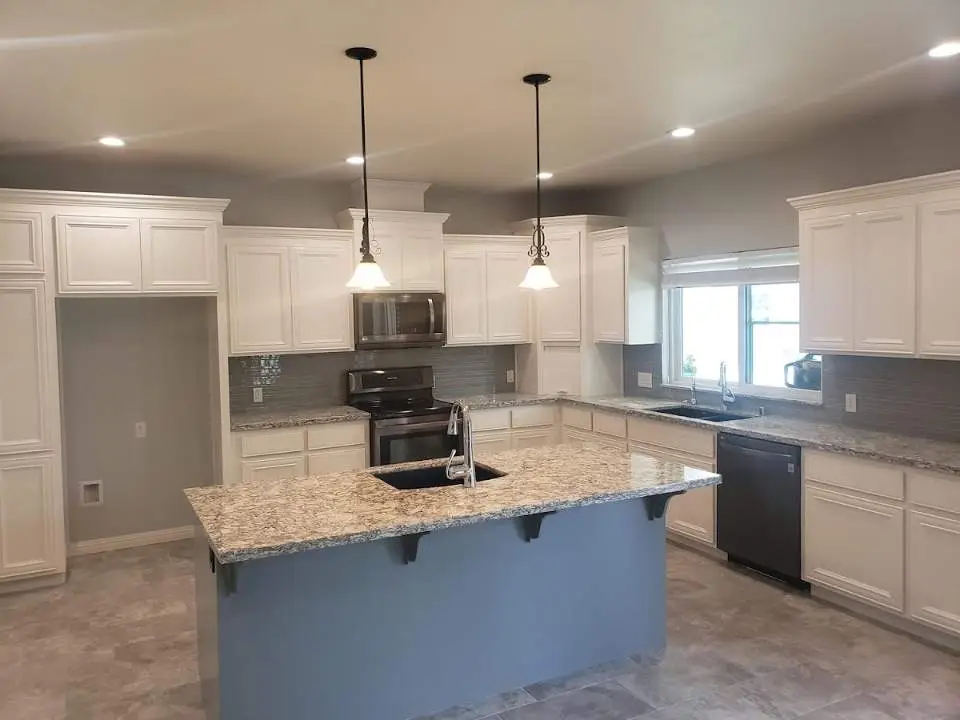
What interior painting covers and when it makes sense
Interior painting goes well beyond rolling color on walls. A proper job covers prep work — patching drywall, sanding rough spots, caulking gaps around trim — so the finish looks smooth and stays that way. It includes walls and ceilings, trim and baseboards, doors, wainscoting, and accent walls. Vaulted ceilings and stairwells are part of the job too, not extras.
Most Orangevale homeowners start thinking about interior painting for one of a few reasons: a room feels dated, the paint is scuffed and hard to clean, they are updating a home they just bought, or they want to put their own colors on a new build that came with flat builder-grade paint. All of those are good reasons to call.
Signs it is time to repaint
- Scuffs and stains that won't wipe off. Flat paint marks easily and cannot be cleaned the way a washable finish can.
- Yellowing or fading. Paint shifts color over time, especially in rooms with strong light exposure.
- Visible patches and repairs. Drywall repairs stand out if the surrounding paint has aged. Repainting the full wall or room ties it together.
- A new color direction. You updated the floors or bought new furniture and the wall color no longer fits.
- Preparing to sell. Fresh, neutral interior paint is one of the highest-return updates before listing a home.
Common interior painting conditions and what good prep looks like
Homes in the Sacramento area can have a range of surface conditions that affect interior painting work. Drywall can have hairline cracks, nail pops, and texture that has been patched inconsistently over the years. Trim and doors may have been painted many times, leaving built-up layers that need sanding before new paint goes on cleanly. Some homes have original popcorn or knockdown texture that needs to be matched when walls are patched.
Good prep — caulking trim joints, priming bare spots, and blending texture on patches — is what keeps a repaint looking fresh for years rather than months. Skipping those steps is where most interior paint jobs fall short.
Homes with vaulted entries, tall stairwells, or great rooms with high ceilings need the right equipment and experience to cut clean lines at height. The Painter includes high ceilings as a standard part of interior jobs, not a separate add-on.
How The Painter approaches an interior job
Brian Bushta comes out to look at the surfaces in person before any work is scheduled. He walks through the rooms with you, talks about colors and finishes, and writes up a clear estimate so you know what is included before you decide. There is no pressure and no cost for the visit.
When the job starts, floors and furniture are covered from the first day to the last. Walls are patched and sanded, trim is caulked, and surfaces are primed where needed before any finish coats go on. Drywall texture is blended in on patches so repairs disappear into the wall. Bathrooms get paintable caulk recaulked before paint, so the finish line is clean.
Brian's project manager Josh keeps things moving and homeowners updated throughout the job. Work areas are cleaned up each day, and when the job is done, everything is put back and a walkthrough is done together so any touch-ups are caught before the crew leaves.
The Painter is licensed and insured — CSLB #1001415 — which you can verify before you hire anyone.
What affects the cost and timeline of an interior paint job
No honest painter can quote a number without seeing the space, and anyone who does is guessing. Several things drive what a job actually costs and how long it takes:
- Size and number of rooms. More square footage of wall and ceiling area means more time and materials.
- Ceiling height. Vaulted ceilings and two-story spaces take more time and require additional setup.
- Condition of the surfaces. A home with significant drywall damage, heavy texture, or many layers of old paint needs more prep work.
- Trim and door count. Cutting clean lines on a lot of detailed trim, multiple doors, or wainscoting adds time.
- Color changes. Going from a dark color to a light one — or the reverse — may need additional coats for even coverage.
The best way to know what your job will cost is to call and set up a free estimate. Brian will look at the actual conditions in your home and give you a written number, not a range pulled from thin air.
What to check before hiring an interior painter in Orangevale, CA
Ask to see a valid California contractor's license number and confirm it is active on the CSLB website. Ask whether the contractor carries liability insurance. Get a written estimate that spells out what prep is included, not just a dollar amount. And pay attention to communication: if a contractor is slow to call back during the estimate process, that pattern usually continues through the job.
The Painter has earned a 5.0 rating across 44 Google reviews, with customers consistently noting that the crew shows up on time, communicates throughout, and leaves the house clean. Many customers have hired The Painter two and three times, and much of the work comes from referrals.
Get a free estimate for your Orangevale interior painting project
If you are ready to repaint a room, freshen up a whole home, or finally tackle that dated builder-grade finish, The Painter offers free estimates with no obligation. Call or text Brian at (916) 743-1743, or send a request online. Brian gets back to you fast — often the same day.
Frequently asked questions
Does The Painter serve Orangevale, CA for interior painting?
Yes. The Painter serves Orangevale and the greater Sacramento area, including Citrus Heights, Roseville, and surrounding communities. Brian can come out to your Orangevale home for a free estimate.
Do I need to move my furniture before the painters arrive?
You do not need to do much. The Painter covers floors and furniture at the start of every job and puts everything back when the work is done.
Can you match the existing texture on my walls when you patch them?
Yes. Blending drywall texture so patches disappear into the surrounding wall is a standard part of The Painter's prep process, not an extra.
How do I know what colors will work in my home?
Brian talks through colors with you during the estimate visit, taking into account your floors, light, and what you are going for. You can also bring color samples and he will give you his honest read on how they will look.
What is included in a free estimate from The Painter?
Brian comes to your home, looks at the surfaces in person, talks through what you want, and gives you a written estimate that spells out what prep is included. There is no cost and no obligation.